Start with a purchase brief, not a huge basket
A LitBuy spreadsheet can help you discover products, but a useful first order begins with a specific need. Write down the category, intended use, size requirements and maximum delivered budget. For example, “one everyday hoodie that fits over a T-shirt” creates a clearer decision than “the best clothes.” A sheet organizes possible starting points; it does not reserve stock, confirm the seller’s description or guarantee the condition of an item you have not received. Use it to reduce the number of listings you need to investigate.
Choose one category and shortlist three candidates. Keep one practical reason for each: a clearer measurement chart, an option that matches your needs or a price that leaves room for shipping. Avoid building a large mixed basket on your first pass. Comparing a hoodie with another hoodie is manageable; comparing clothing, footwear and fragile accessories at once introduces different sizing and packing questions. On this site, a product card opens the linked catalog record. That handoff is a discovery step, not an order placed with LitBuy.
Turn a promising find into an identifiable item
Open the destination and compare the main image, product description and available options with the card you selected. Similar-looking images may belong to different items or variants. If the destination no longer matches, return to your shortlist rather than choosing a replacement just because the page loads. You need enough information to recognize the exact product throughout the purchase. Save the source link, the visible product identifier where available and a short description of the version you intend to buy.
Decide the color, size, quantity and included components before moving forward. A listing’s lowest displayed price may represent an accessory, a different size or part of a set. Imagine a bag shown with a removable strap: establish whether the selected option includes that strap rather than inferring it from the photograph. When a description and option disagree, resolve the ambiguity first. One precise request about what is included is more useful than discovering the uncertainty after the seller has dispatched the order.
Decide what fit means before choosing a size
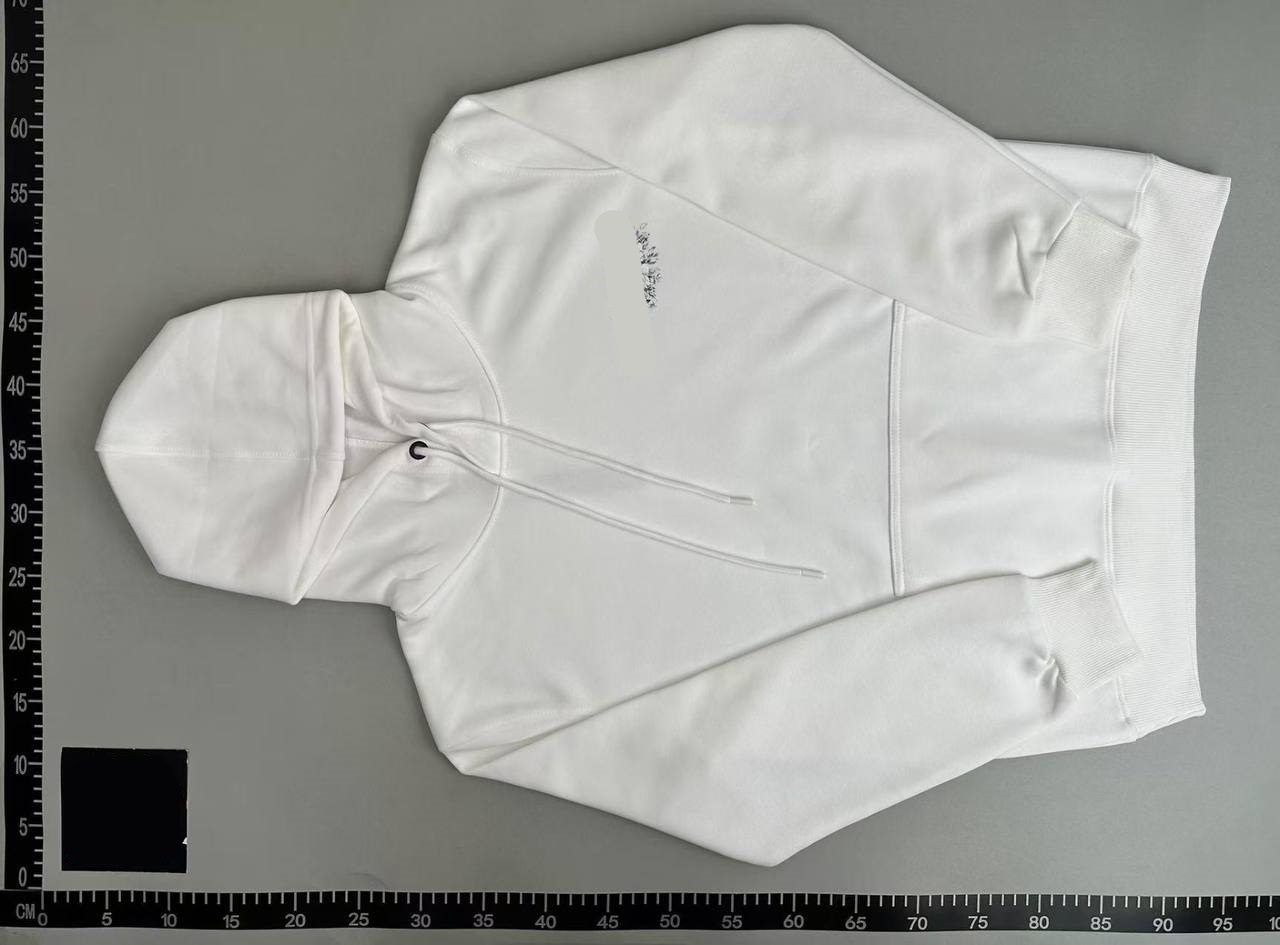
Letter sizes are not a measurement system shared by every seller. Take a garment that fits you in the way you want and measure it using the same method as the listing’s chart. For a hoodie, flat chest width and body length are sensible starting points, with shoulder and sleeve measurements added when relevant. Do not compare a flat width directly with a body circumference. Check whether the chart describes the garment or the wearer, and keep the unit visible in your notes.
Suppose your reference hoodie measures 58 centimetres across the chest and the candidate is described as 54 centimetres. That difference deserves a deliberate fit decision; the same letter on both labels does not resolve it. These numbers are an example, not a sizing recommendation for any listed product. Record an acceptable measurement range and the method used. If the listing gives too little information, ask for clarification or choose another candidate. A clear size decision now also tells you which warehouse measurement may later be useful.
Compare the whole budget, not just the product price
Build a provisional total with separate lines for the selected item, domestic delivery where applicable, displayed purchasing or payment charges, optional services and international delivery. Keep any destination charges separate until you have checked applicable official information. Do not treat a spreadsheet’s USD reference as a fixed checkout price. The selected variant, currency conversion and current listing can change the amount. Compare candidates on the same basis so that a product-only figure is not mistaken for a delivered total.
For planning, leave uncommitted money for shipping rather than spending the entire budget on products. An inexpensive bulky item can cost more to transport than a compact item with a higher purchase price. Before paying, check the currently available estimate for your destination and the type of item, understanding that final packaging and measured weight may change it. Do not calculate a saving from a coupon you have not qualified for or a shipping line you cannot use. A workable first order is one you can still afford to finish.
Enter the order carefully and keep the confirmation
Use the current purchase flow shown in your LitBuy account for the source listing. This guide does not prescribe button names because account layouts can change. Confirm the destination listing, selected options, quantity and displayed payable amount before submitting payment. If the platform cannot resolve the source link or shows different information, pause and seek clarification through its current help or support route. Do not assume a successful link import means every detail from the original listing has been transferred accurately.
After submission, keep the order identifier and confirmation with your shortlist note. Separate what you requested from what has actually happened. Payment or an order record is not proof that a seller has dispatched the item; a domestic tracking number is not proof of warehouse inspection. Read the events attached to your own order and follow the next action they require. If support is needed, the order identifier, selected variant and a concise description of the discrepancy are more useful than a screenshot of a spreadsheet alone.
Use warehouse arrival as a decision point
When your account makes the received item and its photographs available, compare them with your saved order details. LitBuy’s public site advertises inspection photographs after arrival; the exact services and account presentation should be checked in the current account. Start with identity and quantity before judging small details. Your photographs should relate to your own order, rather than another buyer’s public QC gallery. A public image may help form a question, but it does not establish the condition of your particular item.
Revisit the requirement you wrote before ordering. If fit depended on chest width, a distant front photograph does not answer that requirement. Ask whether a targeted measurement can be provided and check any current service conditions before requesting it. If an image is missing, blurred or appears to show another option, keep the item out of the shipping decision until the uncertainty is addressed. A photograph can support a visible-condition decision; it cannot establish authenticity, hidden materials or how comfortable the item will feel when worn.
Resolve issues before arranging international delivery
Give each item a clear outcome: ready, waiting for evidence or awaiting an after-sales decision. Describe an issue with the order identifier, the selected option, the photograph involved and the specific difference you observe. Request a concrete next step, such as clarification of a label or confirmation that all pieces arrived. Check the current seller and platform terms promptly if you want a return or exchange. Do not assume that a photographed problem automatically creates a guaranteed remedy or an unlimited decision period.
Once the relevant issues are resolved, review packaging and available delivery options for the items you intend to ship. Consolidation may be useful, but do not add unwanted products just to make a parcel seem more efficient. Extra items can add weight, volume and restrictions. Consider whether retail packaging matters for protection or your intended use before asking for changes. Compare the final displayed options at this stage; the estimate you saw before purchasing was a planning input, not a promise about this finished parcel.
Close the loop after delivery
Keep the order and parcel references until you have checked the delivery. Compare the received contents with the packing record and your saved photographs, then document any material discrepancy promptly through the appropriate current support process. Do not publish personal addresses, tracking details or other customers’ information when discussing an experience. The useful record is the sequence of decisions and evidence, not a collection of private account screenshots shared without context.
For the next purchase, improve one part of the process using what you learned: a more realistic delivered budget, a better size reference or a more focused measurement request. This is how a LitBuy spreadsheet becomes a practical discovery tool instead of a growing list of impulses. Start with a need, keep the exact option identifiable, confirm the purchase, review your own warehouse evidence and make an informed shipping decision. The aim is a repeatable route that exposes uncertainty early enough for you to act on it.