Start with the hoodie you actually need
A LitBuy hoodies spreadsheet is most useful when it narrows a clothing decision, rather than simply collecting attractive pictures. Begin with the intended use: a light layer for indoors, a roomy sweatshirt for layering, or a zip front that is easy to remove. Write down your preferred body length, chest width, sleeve coverage and closure before browsing. Those requirements make comparisons more consistent. They also prevent a striking print from becoming the only reason to choose an item that does not suit your wardrobe or climate.
This is an independent selection guide, not a claim that we have worn or tested these products. Catalog cards provide starting points, while the current destination listing controls available sizes, colours and prices. A product photograph cannot establish softness, warmth, fabric composition or durability. Keep those unknowns visible in your notes. If a listing does not supply a measurement you need, treat that as a question to resolve before ordering rather than filling the gap with an assumption about the brand, seller or platform.
Read two real catalog records correctly
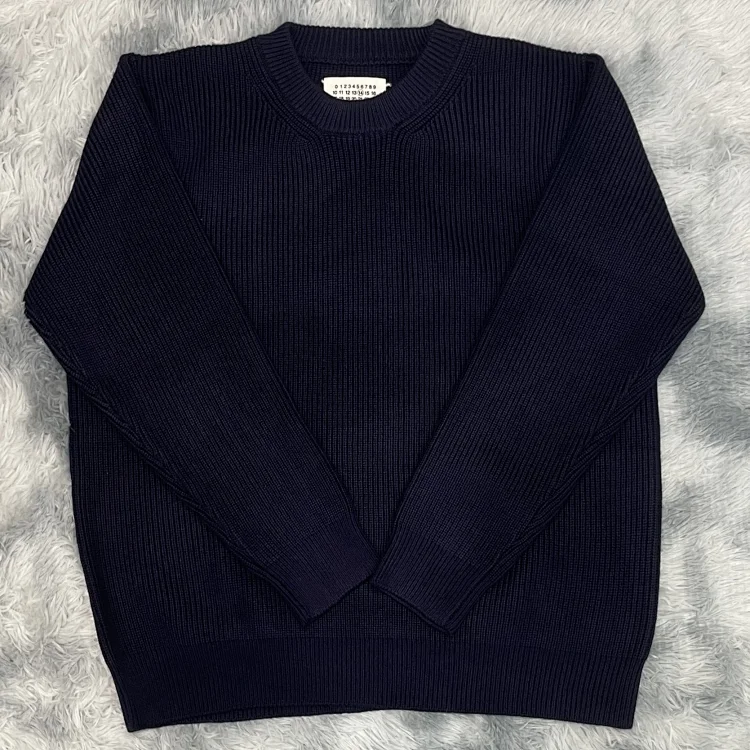
Our recorded catalog includes Hoodie selection 45, product ID 6172, with a historical USD reference of $35.98, and Fresh sweatshirt find, ID 6681, at $25.12. These are stored reference figures reviewed for this guide on 15 October 2026, not freshly verified selling prices. Neither includes an assurance about current stock or delivery cost. Open the corresponding product card to check the exact record on the main catalog. Do not substitute a similar image or an unrelated destination simply because the original option has changed.
These records also illustrate why category labels matter. A sweatshirt is not automatically a hoodie: inspect whether the actual item has a hood, a zipper or a crew neckline. The $25.12 reference sits below a $30 item budget; the $35.98 hoodie reference does not. That difference is a useful filter, but it says nothing by itself about construction quality or value after shipping. Keep product identity, garment type and reference price in separate fields so that a cheaper alternative does not silently become a supposedly identical replacement.
Compare measurements before letter sizes
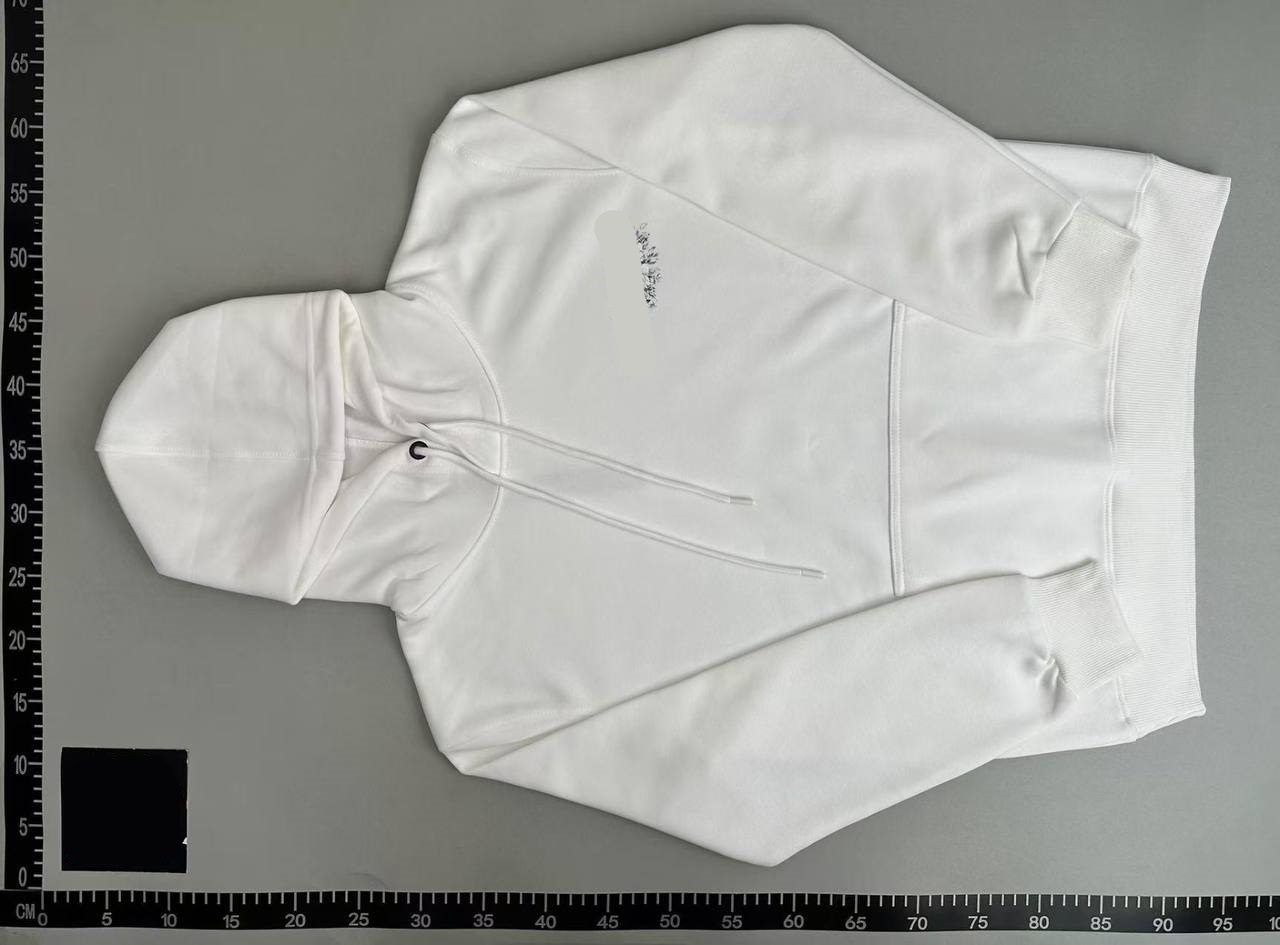
Choose a sweatshirt or hoodie you already like and lay it flat without stretching it. Record chest width from side to side at a repeatable point, body length using a stated starting point, shoulder width where seams are defined, and sleeve length using the same convention as the seller chart. Note that a flat chest width of 58 cm is not a body chest circumference of 58 cm. Doubling a flat width gives an approximate garment circumference, not a recommendation for the body size that will fit it.
Match the measurement method as carefully as the number. A length measured from the shoulder near the neck cannot be compared cleanly with one measured down the centre back including the hood. Dropped shoulders also change how shoulder and sleeve figures relate to arm coverage. If the chart is unclear, save the diagram and ask for clarification. Do not apply a universal rule to size up once: the correct choice depends on the pattern, the chart, your reference garment and the amount of room you actually want.
Separate visible features from fabric claims
Compare practical features that the listing visibly supports: pullover or zip construction, pocket arrangement, hood shape, cuff style and hem shape. Look for images of the inside when lining or brushed fabric matters. A close photograph may show a surface texture, but it cannot prove fibre percentages or fabric weight. Record any composition statement as a seller statement unless supported by a readable label or stronger documentation. Avoid turning descriptive words such as premium, heavyweight or luxury into measured facts in your personal comparison.
For graphics, examine placement relative to the neckline, pocket and side seams. Check whether the selected colour has the same design as the featured photograph. For zippers, look at the slider, ends and alignment, while recognising that a still image cannot demonstrate smooth operation. If you need a specific property such as water resistance or verified thermal performance, this kind of casual catalog comparison is insufficient. Choose evidence appropriate to the claim instead of expecting a warehouse photo to answer every material or performance question.
Make hoodie QC requests specific
When inspection photographs are available for your own order, first match the order identifier, colour, size label and quantity. Then inspect the complete front and back before zooming into details. Compare left and right seams, pocket placement, cuff attachment and obvious stains or damage. Lighting and folds can create apparent colour or alignment differences, so one unusual shadow is a reason to investigate rather than an automatic defect verdict. Photographs from another buyer are useful context but are not evidence of the exact garment allocated to your order.
If fit is the unresolved issue, request a clearly positioned measurement rather than simply asking for more photos. Specify the endpoints, whether the garment should lie flat and relaxed, and which chart figure you are checking. Ask about availability and any charge before relying on an additional service. An angled tape or an obscured zero mark can produce misleading precision. Even a clear photograph remains a limited inspection: it does not test long term wash behaviour, seam strength, hidden defects or how the garment feels on your body.
Estimate the parcel separately from the item
A low item price can be outweighed by shipping, so keep a separate delivery budget. Hoodies vary in size, construction, packaging and weight; do not assign every hoodie a fixed gram figure. Use actual warehouse measurements when available and compare the applicable route conditions. If a shipping option uses dimensional weight, package volume may matter as well as scale weight. The relevant calculation and any minimum charge depend on the selected service. A rough estimate is a planning input, not a guaranteed final invoice.
Before removing packaging or combining items, consider what protection each garment needs and whether the resulting parcel shape changes the quote. Compression may reduce bulk but can crease clothing or affect presentation; it should not be treated as universally suitable. Include known domestic delivery charges, optional handling, payment conversion and destination charges where applicable, keeping uncertain amounts visibly separate. Compare the complete expected spend with your budget before approving an international parcel. Buying another garment solely to make an average shipping figure look lower still increases the money you spend.
Build a shortlist that supports a decision
Limit your initial shortlist to three plausible garments. Give each a row containing the catalog ID, selected variant, historical or live price status, measurement source, unresolved questions and the reason it meets your intended use. Use clear decisions such as keep, clarify or remove. A row without a readable size chart may deserve clarification even if its photographs look appealing. A row above your budget can remain as a reference without being presented as an affordable recommendation. This makes the comparison useful rather than merely longer.
Choose the deciding criterion before comparing the rows. If sleeve coverage is your main problem, eliminate unsuitable measurements first. If a zipper is essential, a cheaper pullover is not a substitute. If cost is the priority, use a consistent delivered cost estimate rather than comparing one item price with another item's total. Do not invent star ratings, popularity counts or quality scores to make the spreadsheet feel decisive. A short explanation of the evidence and remaining uncertainty is more helpful than a numerical ranking with no defensible basis.
Use the guide as a repeatable buying record
Before placing an order, reopen the selected listing, confirm the image and product ID, check the exact variant and save the chart you used. Write down the date and the reason for your size choice. When your own inspection evidence becomes available, compare it with that saved record and resolve discrepancies while the available options are still clear. If you decide to request a return or exchange, consult the current applicable terms first; this guide does not establish eligibility, a deadline or a promised refund amount.
After delivery, record your actual fit experience separately from what the listing claimed. Include the chosen size, measured dimensions, preferred fit and any care observations you can genuinely support. Do not generalise one garment into a statement about every hoodie from a platform. For the next search, use the clothing size guide to refine measurements, the QC guide to plan evidence, and the shipping guide to assess parcel costs. A maintained LitBuy hoodie shortlist becomes useful through accurate comparisons and updated records, not through unverified promises about the cheapest or best product.