Start with a garment reference, not a letter
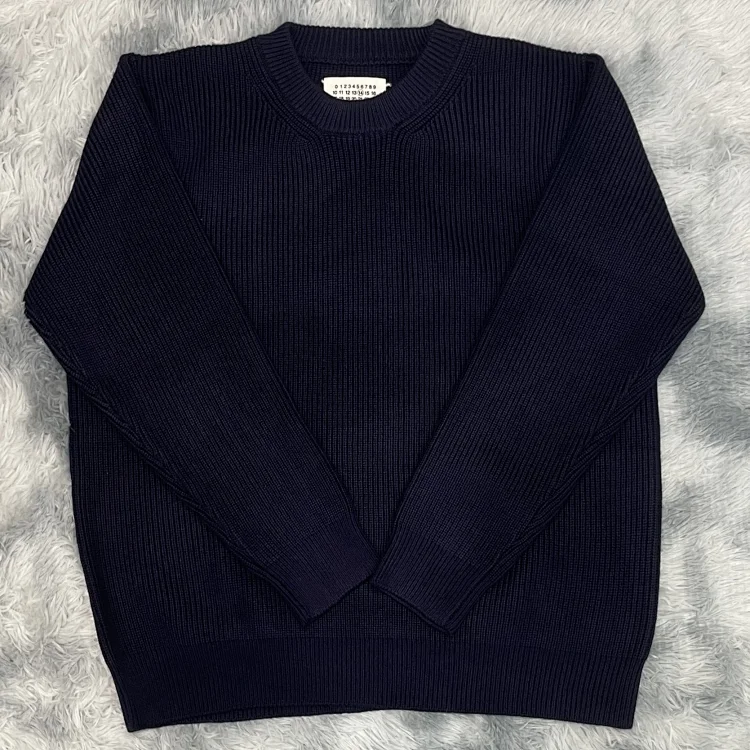
A useful LitBuy clothing size guide begins with measurements you can reproduce. Choose a garment you already own that fits the way you want the new item to fit. A close T-shirt is a poor reference for an intentionally roomy hoodie unless you consciously allow for that different cut. Lay the reference flat on a suitable surface, smooth obvious folds without stretching the fabric, and write down the type of garment, its condition and your preferred fit. This gives your later comparisons a specific starting point.
Letter sizes such as S, M and L identify options within a particular listing; they are not universal measurements across sellers or categories. A familiar label is therefore a clue, not a complete sizing decision. Body measurements can provide additional context, but do not compare a body circumference directly with a garment's flat width. This guide offers a practical comparison method, not a guarantee of fit. Fabric behaviour, pattern shape, posture and personal preference can still change how a garment feels even when its recorded dimensions look similar.
Measure tops with consistent endpoints
For a top, record chest width at a clearly described level, body length, shoulder width where defined seams exist, and sleeve length. Photograph the reference setup if that helps you repeat it later. A common flat chest measurement runs from one side to the other below the armholes, but seller charts do not always use the same point. Length might start near the neckline, at the highest shoulder point or at the centre back. The number alone is incomplete unless you also know where the measurement starts and ends.
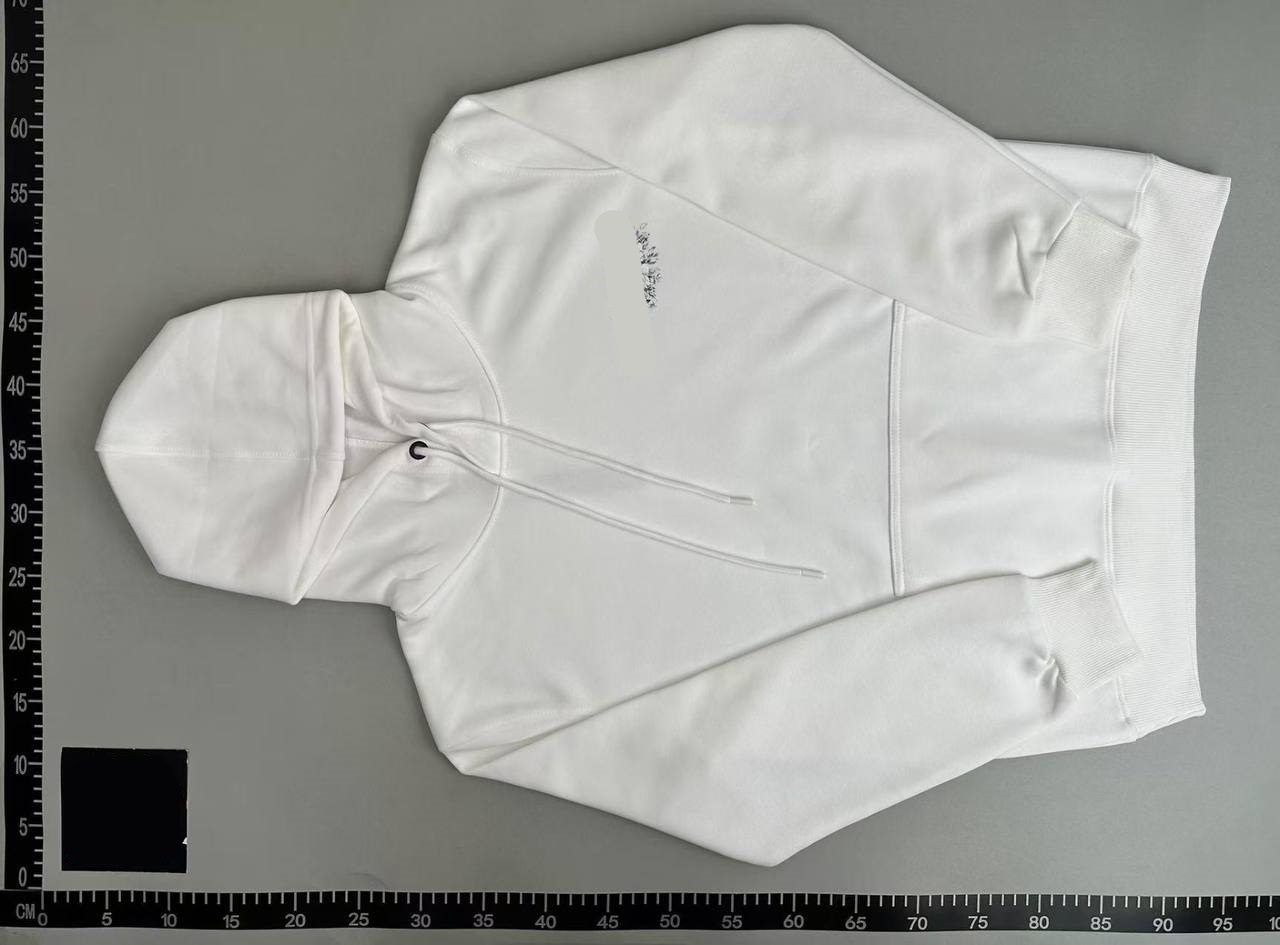
Do not add the hood to body length unless the comparison chart explicitly does so. Dropped shoulder garments can have a large shoulder width and shorter sleeve seam measurement while still covering the arm fully. Raglan sleeves may use a neck to cuff measure instead of a shoulder seam to cuff measure. Keep the entire arrangement in mind before interpreting a difference. If two charts use different methods, obtain a comparable measurement rather than treating their figures as interchangeable. A carefully labelled photo can explain more than a column of unexplained numbers.
Use a separate measurement set for trousers
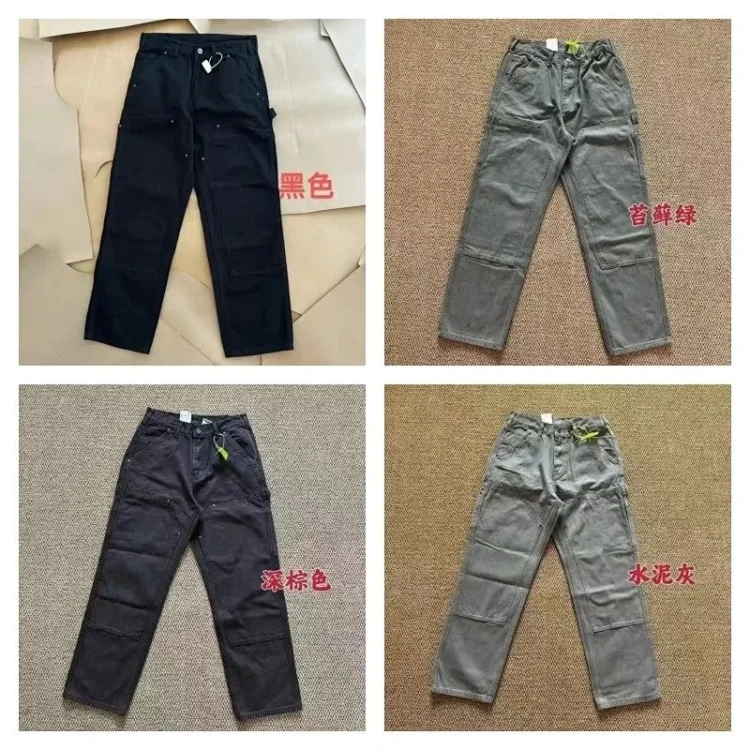
For trousers or shorts, record relaxed waist width, any stated stretched waist measurement, front rise, inseam, total length and leg opening as relevant. Measure a similar garment with the waistband fastened and the fabric resting naturally. Do not pull an elastic waistband until it reaches an arbitrary maximum and call that a comfortable fit. The usable range depends on construction and preference. Waist width measured flat is different from waist circumference, and a seller may publish either one, so confirm the convention before comparing or converting the values.
Rise and inseam help explain why two items with similar waist figures can fit differently. A higher rise changes where the waistband sits, which can alter the useful body comparison and the resulting leg coverage. Wide, tapered and straight cuts distribute room differently through the hip and thigh. If those areas matter to your fit, request their measurement method too. Shorts need a deliberate length choice rather than simply borrowing a trouser size. Keep your reference category close to the intended purchase so that the comparison remains meaningful.
Read units and chart tolerances carefully
Confirm whether a chart uses centimetres or inches and whether its dimensions describe the body or the finished garment. One inch equals 2.54 cm, so a 23 inch flat width is approximately 58.42 cm. A 60 cm flat garment chest width corresponds approximately to 120 cm around the garment when doubled; it does not establish that the garment suits a person with a 120 cm chest. Body ease, garment shape and the measuring position still matter. State any conversion clearly and avoid false precision when the original measurement is approximate.
Read the seller's stated measurement tolerance if one is provided. Do not invent a universal acceptable difference or assume that a specific number of centimetres always proves the wrong size. Manual technique, garment position and fabric can affect readings, while a genuine mismatch still requires attention. If the advertised figure and a clear measurement differ materially for your intended fit, ask for clarification and preserve both records. A tolerance note helps interpret evidence; it should not be used to dismiss an unsuitable measurement automatically or to promise that every variation is harmless.
Choose ease according to the intended garment
Ease describes the room between the body and the garment, but the amount you prefer depends on cut, fabric and use. A woven shirt, a stretchy jersey and a layered hoodie should not be assigned one universal extra allowance. Start with a comparable garment that already works for you, then consider whether you want the new item closer, looser, longer or shorter. Record that intention explicitly. A vague request for oversized can hide several different preferences, such as extra chest room, dropped shoulders or simply a longer body.
When between chart options, identify the dimension that is least flexible for you instead of automatically choosing the larger or smaller label. A longer body may be acceptable while an overly long sleeve is not, or the reverse. Consider how the item will be worn with other layers, but do not assume stretching or washing will correct an unsuitable size. Shrinkage, recovery and drape cannot be predicted from a product photo alone. If the evidence does not support a confident choice, delaying the purchase is a valid result of the comparison.
Request QC measurements that answer one question
When inspection images are available for your own order, first verify the item identifier, selected colour, size tag and quantity. A size label can match the order while the dimensions still differ from your expectations, so inspect the relevant measurement when fit is uncertain. State exactly what you need: for example, a flat chest width with the tape level and the zero point visible, or an inseam from the crotch seam to the hem. Ask whether the service is available and whether an additional charge applies before relying on it.
A useful measurement image shows the whole measuring path, both endpoints and a garment lying naturally rather than being pulled tight. Camera angle, folds and a tape that bends or starts off frame can make a precise looking number unreliable. Request clarification of the setup when necessary instead of repeatedly estimating from a blurry image. A warehouse photograph can help detect a visible mismatch, but it cannot simulate movement, test comfort or establish how the fabric behaves after wear. Keep that limitation in the decision rather than presenting photo inspection as a fitting room.
Resolve discrepancies with a clear evidence record
If the measurement appears unsuitable, collect the original chart, the exact ordered option, your reference garment figures and the relevant inspection image. Explain the difference with matching units and endpoints. A message stating that a flat chest width was expected to be 60 cm but appears to measure 55 cm is easier to investigate than saying the top looks small, provided both measurements use the same method. These numbers are an illustrative example, not a verified product measurement or a universal threshold for deciding that an item is defective.
Separate an evidence gap from a confirmed mismatch. An obscured ruler may require another view; the wrong size label may require checking the order; a consistent measurement difference may require discussing available remedies. Consult the current applicable return or exchange conditions rather than assuming a guaranteed outcome. Keep a record of the response and any deadline you are given. Do not approve an international parcel while a material fit question remains unresolved merely because other items are ready, unless you deliberately accept that uncertainty and its possible consequences.
Keep a size notebook for future comparisons
After receiving an item, record how it actually fits, the selected option, the dimensions you can measure consistently and the conditions under which you measured it. If you later wash it, keep before and after observations separate and follow the available care instructions. A change observed in one garment should not become a claim about every product made from a similar fabric. Distinguish personal impressions, such as sleeves feeling long, from repeatable figures. Both can help future decisions when their different roles are clear.
For your next LitBuy clothing search, carry forward the reference method rather than blindly repeating a letter size. Match the garment type, use the current listing chart, check any decisive dimensions and request focused evidence when needed. The hoodie spreadsheet guide can help compare garment features, while the budget guide keeps the item price separate from delivery. A useful size record reduces repeated guessing: it does not remove every risk, but it makes the reasons for a choice visible and provides a concrete way to investigate a mismatch.