Define what the $30 limit includes
Searching for LitBuy finds under $30 is a reasonable way to narrow a large catalog, but the limit needs a clear definition. In this guide it means the recorded USD reference for one product, not a delivered order total. Domestic delivery, international shipping, optional services, payment conversion and destination charges may add to the amount you pay. A low product number cannot settle those later costs. Decide whether your own budget applies to each item, the shopping basket or the complete delivered parcel before comparing products.
This shortlist uses stored catalog data reviewed for editorial selection on 15 October 2026. The figures are historical references, not a live price feed or a new verification of current stock. They support examples of a comparison method, not a claim that these are the cheapest products available. We have not purchased or tested the listed items. Open the matching product destination, confirm the selected option and replace the reference with the current quoted amount before treating a candidate as an actual purchase decision.
Six recorded products below the item threshold
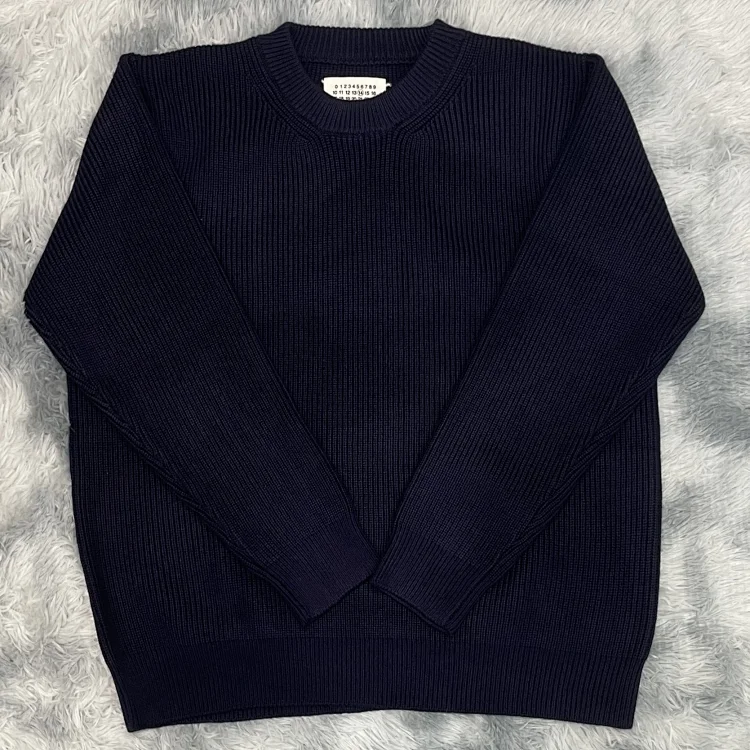
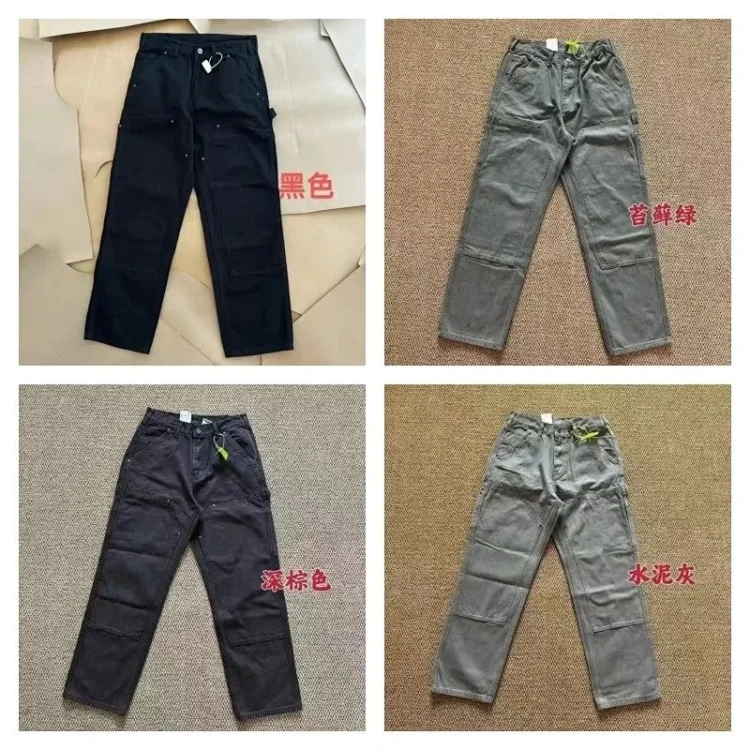
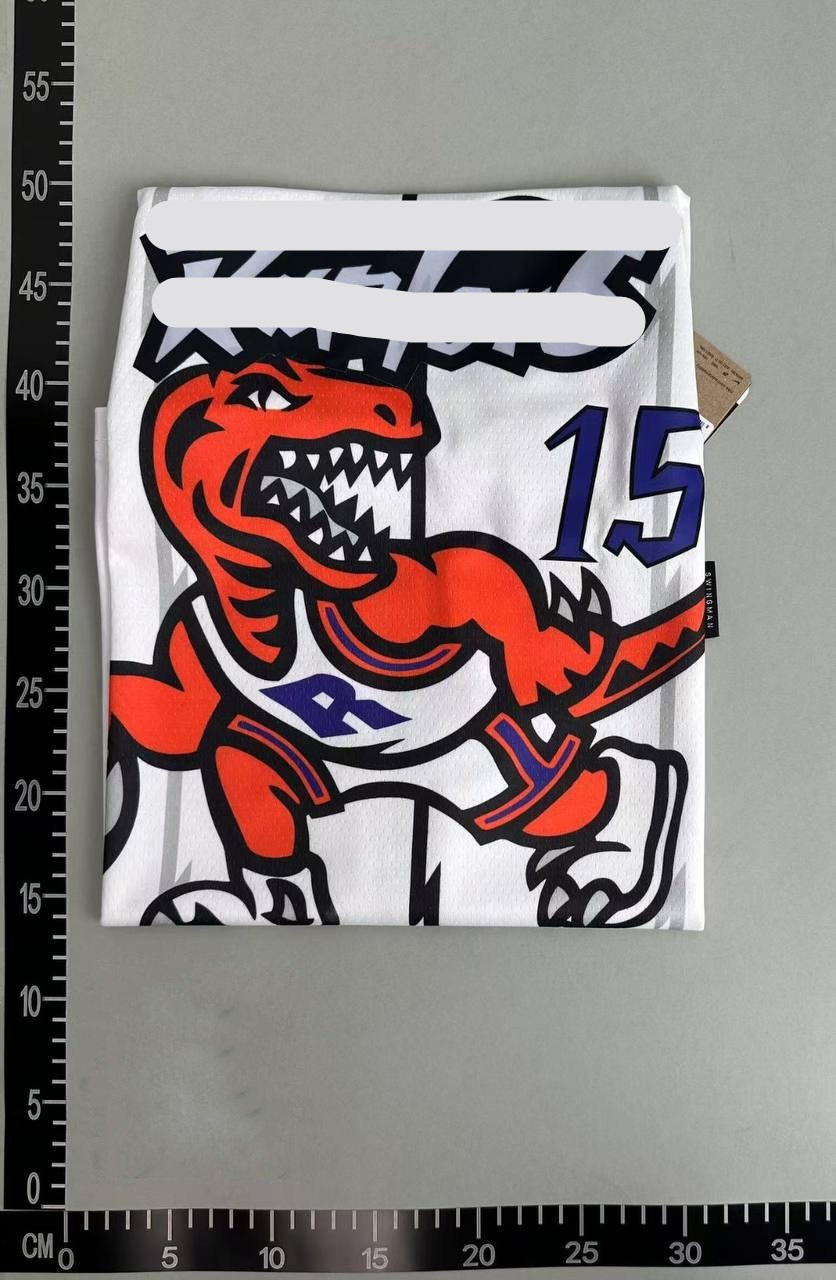
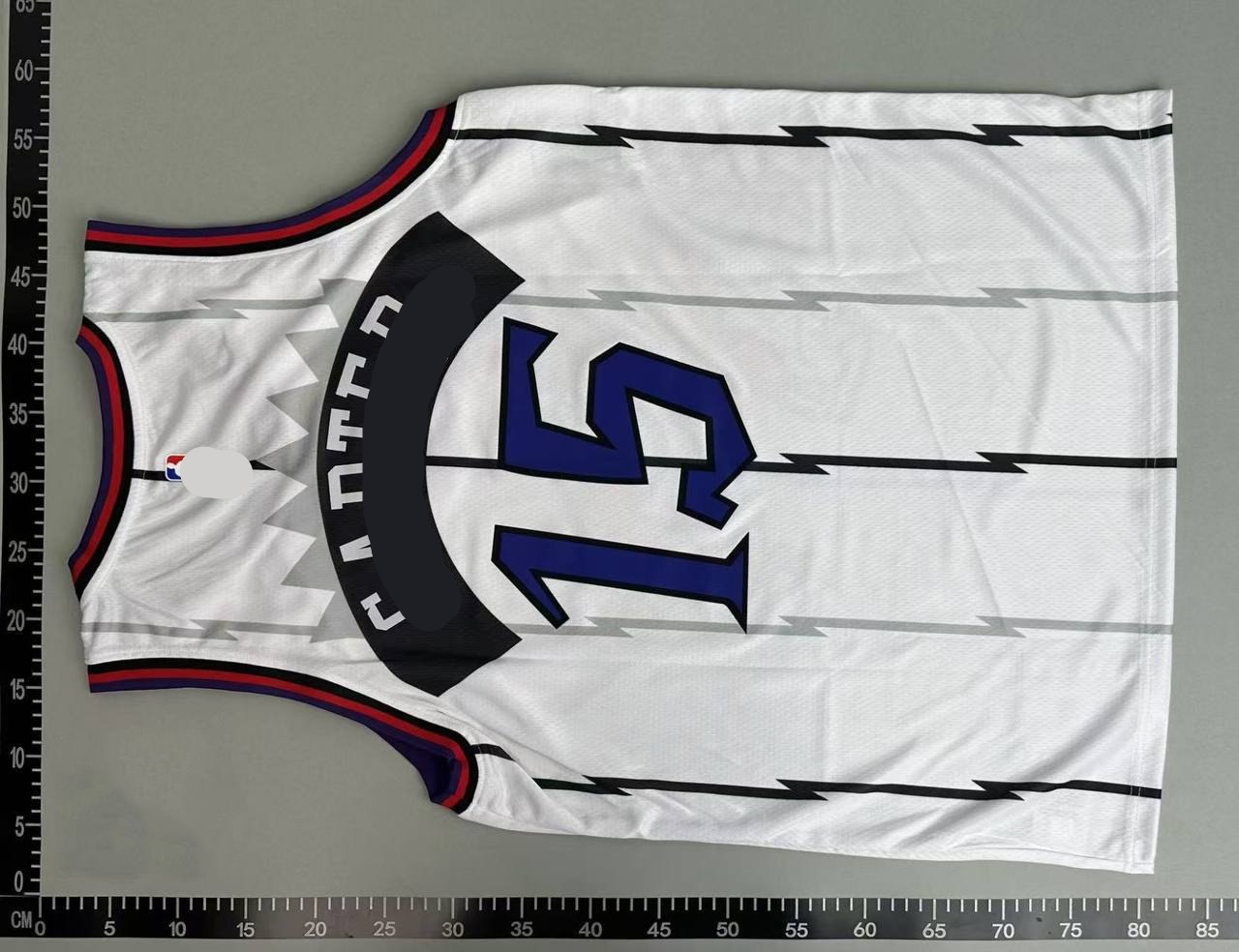
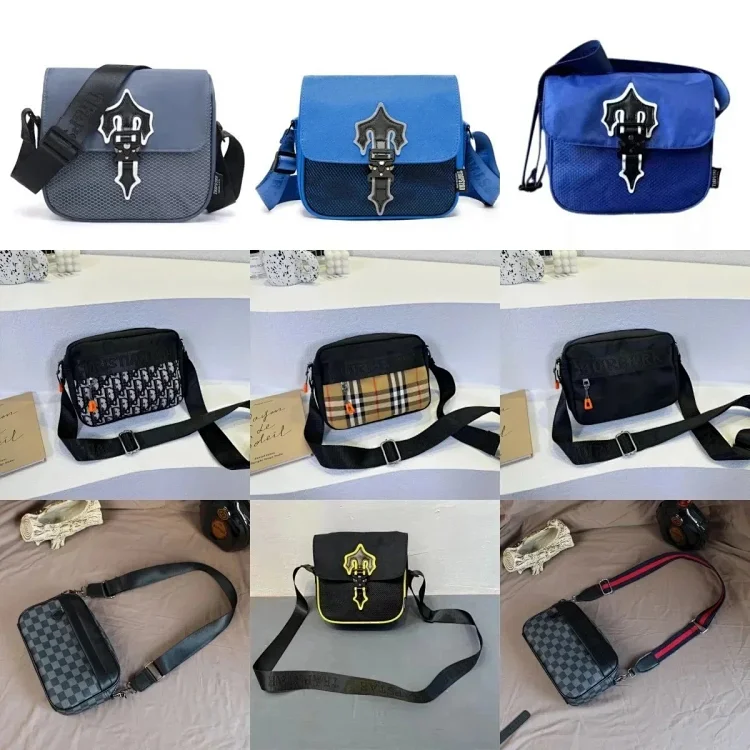
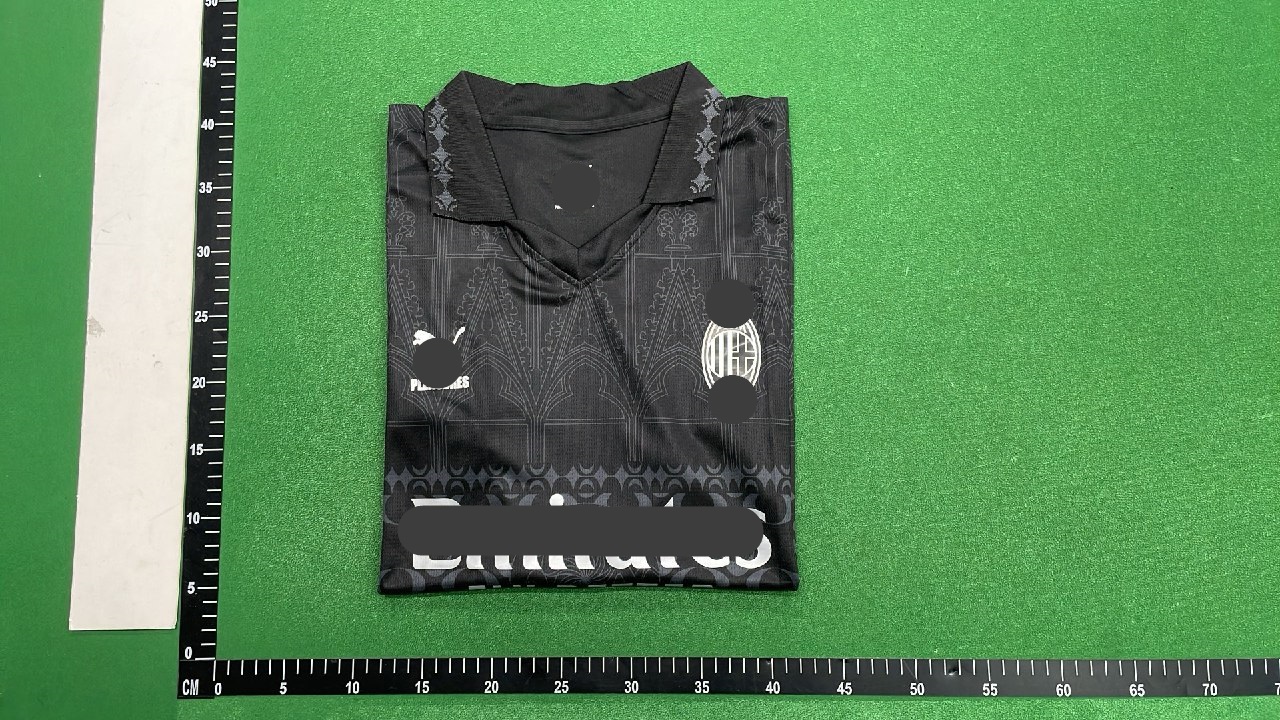
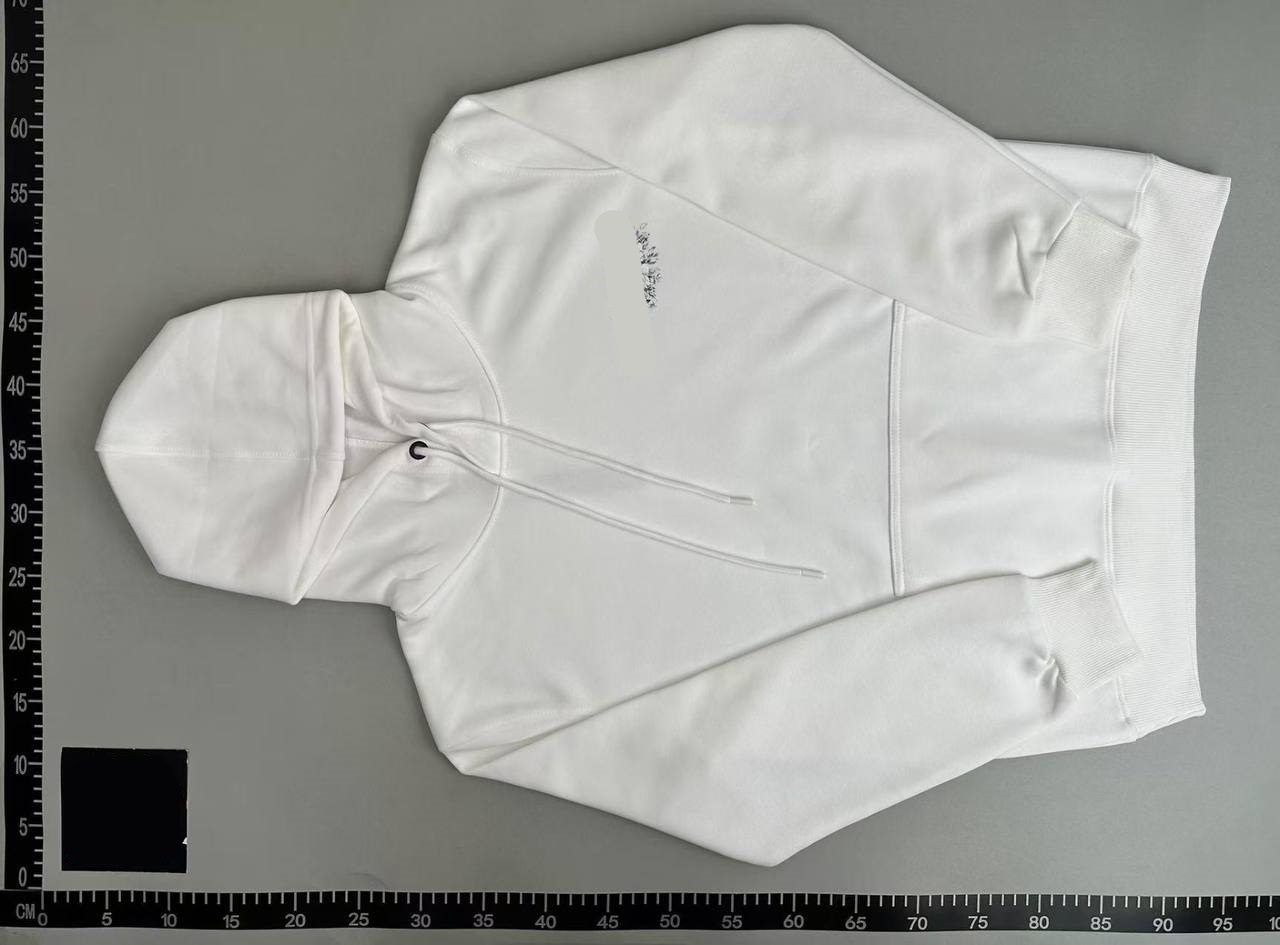
The sweatshirt record, ID 6681, carries a $25.12 reference; the pants or shorts record, ID 6680, carries $28.10. Jersey selection 55, ID 6679, and Jersey selection 54, ID 6678, each carry $19.47. Compact utility bag, ID 5050, carries $14.72, while Jersey selection 2, ID 6626, carries $13.38. These labels identify catalog records rather than verified specifications. They do not establish the fabric, included pieces, authenticity, performance or seller reliability. The matching image and product ID should remain attached to each record.
There is deliberately no hoodie in this under $30 set: Hoodie selection 45, ID 6172, has a recorded reference of $35.98. Including it would blur the stated budget rule. Nor should the two $19.47 jerseys be treated as identical just because their prices match. Compare the actual design, size chart, variant menu and included contents independently. A useful budget list has an explicit inclusion rule and preserves differences between products; it does not stretch the rule to fill a page or turn a similar price into a quality judgment.
Check what the displayed price actually buys
Open the option selector before relying on a low starting price. Some listings contain several colours, sizes, bundles or accessory choices, and the thumbnail may represent only one of them. Confirm quantity and set contents as well as appearance. A title that mentions trousers and shorts does not prove that both arrive together. Save the option description you intend to buy, and ensure that the quoted amount belongs to that option. If the selection cannot be identified clearly, keep the product in a needs clarification group rather than calling it a confirmed find.
Check the destination itself, not only whether the link opens. The image, catalog ID and visible options should correspond to the saved row. A page may remain accessible while its stock, variants or contents change. Treat a missing or materially different item as unavailable until you have checked a replacement. Keep prices in their original currency where available and use a labelled USD reference for comparison. Exchange rate changes can move an item across a $30 threshold without any change in the seller's underlying price.
Work through a transparent basket example
Using only the historical references above, the sweatshirt at $25.12 and the bag at $14.72 produce an item subtotal of $39.84. Both qualify individually as under $30, but the two item basket does not cost under $30. Adding the $13.38 jersey makes the reference subtotal $53.22 before any extra charges. This arithmetic is an illustration, not a quote. It shows why a category filter and a personal spending cap solve different problems, and why the total should stay visible as your shortlist grows.
Start a simple budget record with item subtotal, known additional charges, estimated delivery and unresolved costs in separate lines. Do not enter an unknown charge as zero merely to make the calculation complete. If your maximum is $60 delivered and the reference products already total $53.22, only $6.78 remains before all other costs; that is a warning to obtain a reliable delivery estimate or reduce the basket. It is not evidence that the parcel can actually be shipped within the remaining allowance.
Compare shipping without assuming cheap means light
Price does not predict weight or parcel volume. An inexpensive garment can occupy more space than a higher priced accessory, and a compact bag can still have rigid components that affect packaging. Obtain relevant weight and dimensions when available, then check the terms for the intended shipping route. Some services compare actual and dimensional weight, while minimum charges and parcel restrictions also affect the outcome. Do not copy a universal weight, divisor or per kilogram rate from an unrelated example and treat it as a current LitBuy quotation.
Consolidation can change a quote, but it is not automatically cheaper in every case. Compare the actual proposed parcel with sensible alternatives, considering handling, protection and any applicable limits. Removing a box may reduce bulk while increasing the risk of damage or changing how a gift is presented. Adding unwanted products to spread a fee across more items increases total spend. The useful question is whether the final combination meets your needs within budget, not whether you can produce the smallest average shipping number on a spreadsheet.
Protect the budget with category specific checks
For the sweatshirt, prioritise chest width, body length, sleeve measurement and the construction shown in the chosen option. For pants or shorts, compare waist measurement conventions, rise, inseam and leg opening with a garment you already wear. For jerseys, check whether the photo and selection agree on colour, size, graphics and any customisation. A low price is not useful if the dimensions or contents are unsuitable. Do not turn a seller's generic fit recommendation into a guarantee that the same letter size works across these categories.
For the bag, compare external dimensions, opening, strap arrangement and included parts with what you intend to carry. Photographs may reveal visible alignment, stains or damaged components, but they cannot establish load capacity, long term strength or water resistance. When your own order photos are available, match identity and quantity before inspecting details. If an important feature remains unclear, ask a focused question and check whether further inspection is available. Avoid spending the rest of a limited budget on extra services without understanding what evidence they can realistically provide.
Rank usefulness instead of discount language
Give each candidate a reason to exist in the basket. A garment that fills a known wardrobe gap can be more useful than several cheaper products chosen only because they fall below a filter. Compare alternatives within the same purpose: two similar tops, two bags of comparable size, or two jerseys with the measurements you need. Cross category prices alone cannot establish value. Keep uncertainty visible, and remove candidates that require too many assumptions about fit, contents or final cost for your particular budget.
Do not calculate a discount from an unverified crossed out price or describe a product as best selling without reliable evidence. Likewise, saved counts, large catalog totals and dramatic promotional labels do not prove that a product will suit you. A transparent budget note can simply say that the reference is below the item cap, the live option still needs checking, and shipping is excluded. That is more actionable than an unsupported best deal badge. Your final decision should rest on a valid record, suitable measurements and an affordable total.
Recheck before ordering and retain the evidence
Before paying, revisit every retained product, confirm its current price and selected option, and update the basket calculation. Save the relevant size chart and a dated note of anything the seller or service confirmed. At the inspection stage, compare your own order with that record before deciding on international shipping. Current return or exchange terms may depend on the item and circumstances, so do not assume that an inexpensive product is automatically returnable or that a refund will include every charge already paid.
Use this under $30 collection as a disciplined starting point rather than a permanent promise. A record should leave the budget group when its verified item price rises above the threshold; a broken route should be corrected or marked unavailable. Continue with the clothing size guide for measurements, the QC guide for visible inspection and the shipping guide for parcel planning. The aim is a small, understandable basket you can afford and use, with enough evidence to explain every choice before the total becomes an unpleasant surprise.